- Get link
- X
- Other Apps
Research Question: How to protect endangered species in close contact with people when international wildlife regulations have proven impossible to enforce?
The Area of Focus was the Wildlife protection across isolated China’s Tibet Autonomous Region.
Policy Result: Research led to a Tibet-wide ban on the sale of endangered animal body parts.
Work Started: 1996
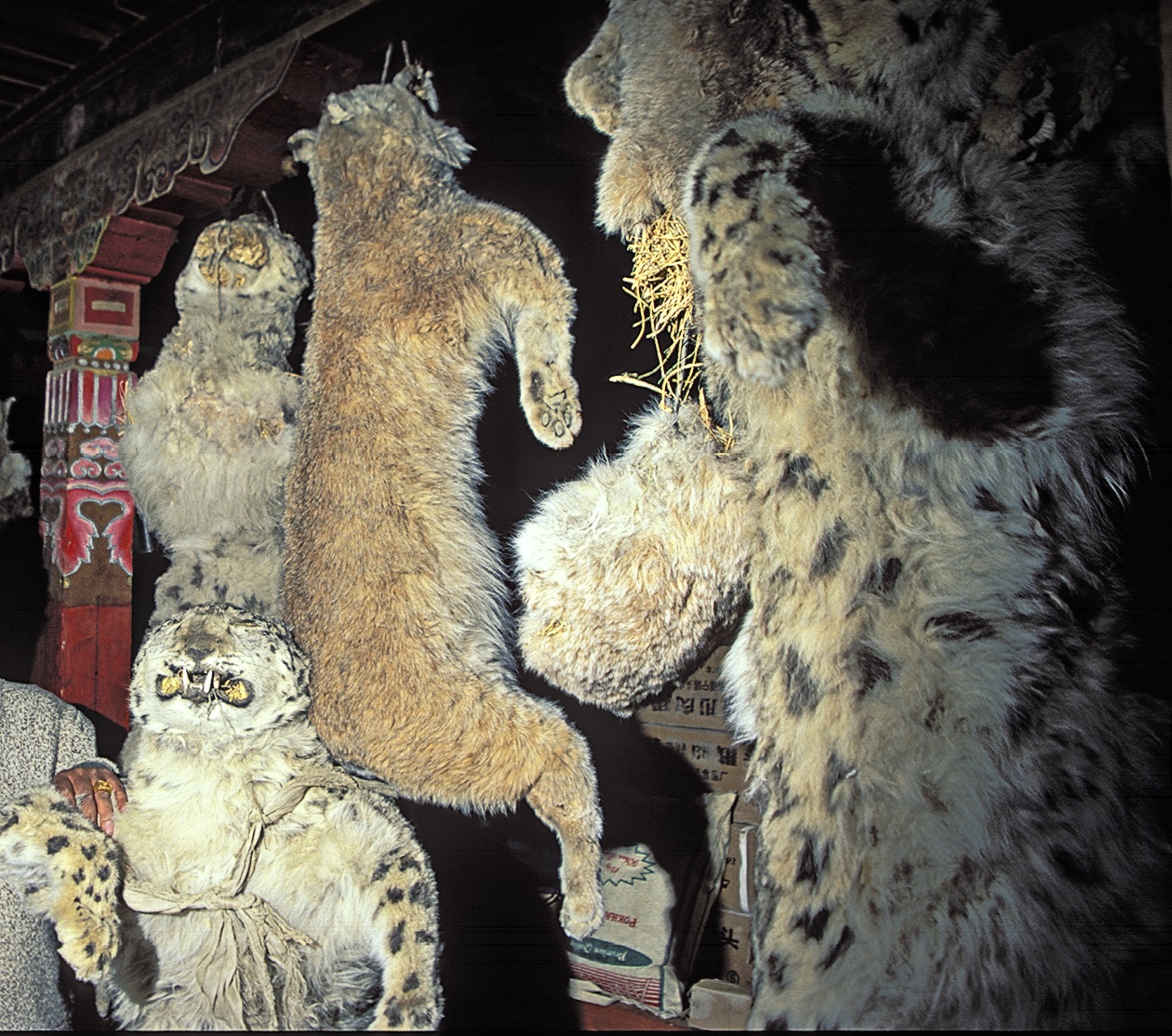
In the 1980s, China’s Tibet Autonomous Region was experiencing declines in all its wildlife species. People killed non-endangered animals for meat and to protect their fields, while commercial poaching killed endangered animals including snow leopards, musk deer, black bear, Tibetan antelope, wild yaks, and black-necked cranes, for national and international markets.
Future Generations had built partnerships with local communities and informed new policy to advance environmental protection. The imposition of international norms on protecting endangered species, however, would undermine community participation.
The team faced a challenge: how to stop the killing of endangered animals across Tibet—both in the new nature preserves and the areas that lacked a conservation policy—in concert with local needs and values?
Again, the starting point was anthropology. Research revealed that few people were engaged in buying or selling endangered animals and were benefiting financially; the majority, rather, were protecting their farming and livestock activities. So, the team advised the People’s Congress of the Tibet Autonomous Region to shift focus: while international treaties outlaw the killing of animals, the proposed regulations would instead target the act of selling.

In this way, villagers could kill snow leopards attacking their sheep or wild yaks invading their fields. But they could not turn this for their economic gain. Today the data is irrefutable. In 2018, the snow leopard moved from the endangered species to rare; similarly populations of musk deer, Tibetan antelopes, black bear, and wild yaks have dramatically improved.
Future Generations promotes research, learning, and action toward inclusive and sustainable community development.
Courses offered by future generations universities are:
1. Masters in community development: Future Generations University helps people learn to shape better futures for their communities and the world. Learn from our faculty of experts the interdisciplinary field of Applied Community Development , how to start, and scale-up community-driven change that is inclusive and sustainable.
2. Certificate in community development: Not ready for a Master’s but still want to build your skills? Earn a Certificate in Applied Community Development to deepen your understanding or as part of your journey in higher education. This program can be taken by anyone interested in learning, regardless of educational background and offers a flexible course load.
3. Maple production training program: You can tap into one of Appalachia’s most abundant resources and build a successful syrup business with Future Generations University. Learn about sustainable land-use practices and woodlot management, while receiving maple syrup training through our certificate program, public seminars, or webinar series.
This article was posted on the future generations website. you can find the source here.
Source: https://blog.future.edu/2021/02/28/protecting-endangered-species/
- Get link
- X
- Other Apps
Comments
Post a Comment